


“Socalj” for Borderland Beat
 |
|
|
According to the Washington Examiner and Texas Representative Dan Crenshaw, The Biden administration has quietly entered into agreements with Ecuador that will allow the United States to send in military forces, both on land and off the coast of the South American country, which has been heavily affected by drug cartels operating in the region.
Select members of Congress were informed during a private briefing on Capitol Hill with Ecuadorian President Guillermo Lasso on Wednesday, September 26, 2023. Lasso was in Washington to meet with State Department officials and sign two deals, according to Rep. Dan Crenshaw (R-TX), who was present at the meeting and spoke with the Washington Examiner on Thursday.
 |
|
Rep. Dan Crenshaw, R-TX shakes hands with Ecuadorian President Guillermo Lasso, at a private briefing on Capitol Hill on Sept. 27, 2023.
|
Ecuadorian President Lasso stated, “When we came to government in May 2021, the Ecuadorian criminal organizations with strong ties to the Mexican cartels were practically constituted as powerful structures that have used the prisons as centers of operation. They are economically strong, they are armed, with materials that surpass the police, and have the capacity to co-opt young people.”
The State Department has not publicized the agreements in any of the more than 30 press releases issued since Wednesday, but a State spokesperson confirmed to the Washington Examiner on Friday that it had signed a status of forces agreements and maritime law enforcement agreements.
 |
| Senior representatives from the Department of Homeland Security’s military branch, the US Coast Guard, and the Defense Department attended the signing. |
US Military Agreement
The second agreement was a less common one, according to Adam Isacson, who heads defense oversight at the Washington Office on Latin America and has worked on Latin American issues since 1994.
“That doesn’t mean we’re doing it, but it means we can and it means that they’re making a very clear signal to us that they want more us involved,” Crenshaw said.
The State and Defense Departments did not answer follow-up questions about the duties of troops on deployments to Ecuador and other agreements signed with Latin American countries. The US withdrew all military from the base in Manta, Ecuador, in 2009.

On Sept. 20, Coast Guard Cutter Confidence returned to its home port in Florida following a two-month counternarcotics deployment to the Caribbean and offloaded 12,100 pounds of cocaine valued at $160 million seized in cooperation with partners agencies.
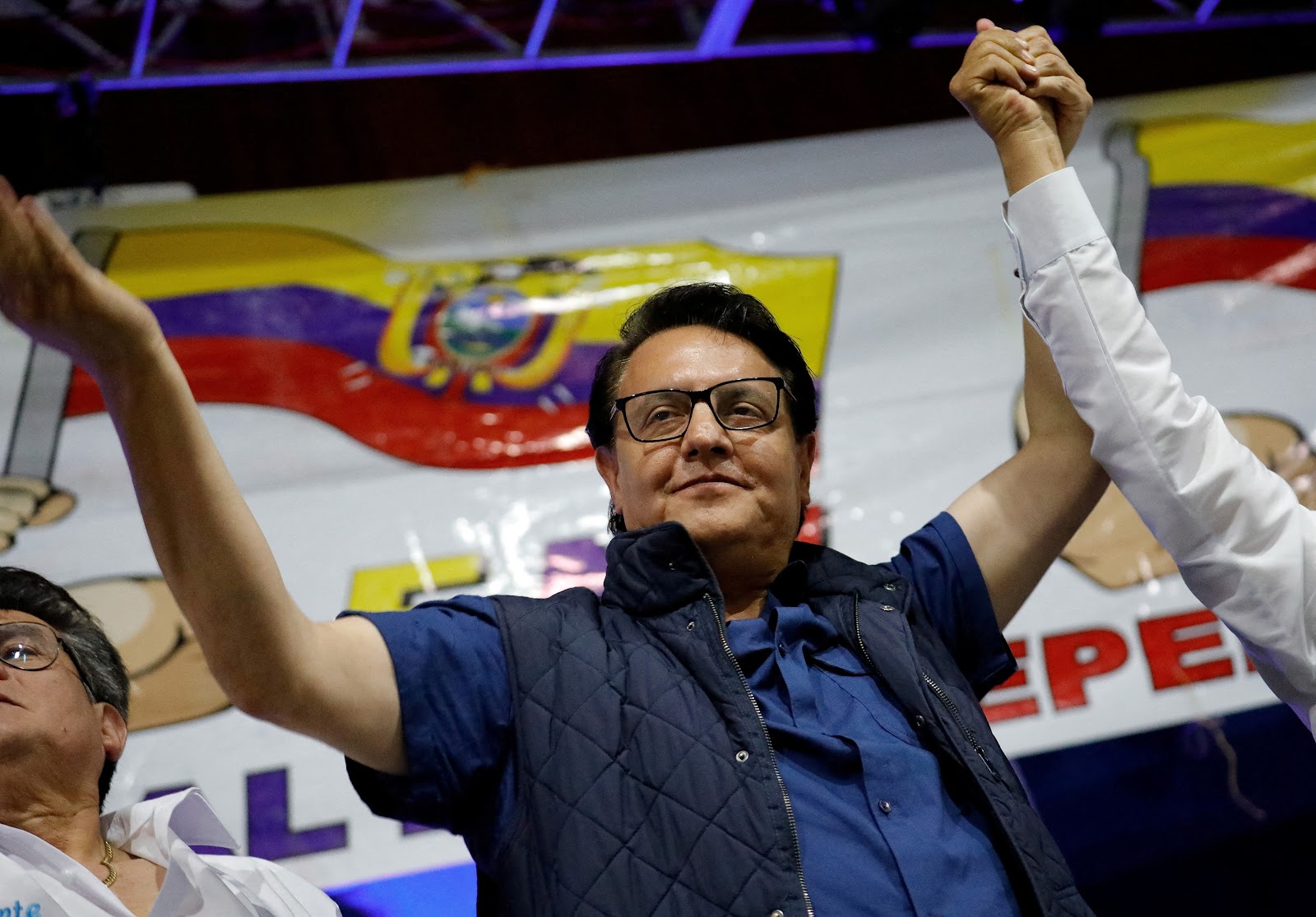 |
| Assassinated Presidential Candidate Fernando Villavicencio. |
Ecuador’s Drug Violence
He had accused the Ecuadorian Los Choneros gang and its imprisoned leader, José “Fito” Adolfo Macías Villamar, whom he linked to Mexico’s Sinaloa cartel, of threatening him and his campaign team days before his assassination.
The US also offered a $1,000,000 reward for information on any leaders in the gang responsible for his death. “The United States will continue to support the people of Ecuador and work to bring to justice individuals who seek to undermine democratic processes through violent crime,” Secretary of State Antony Blinken, who announced the reward, said on Thursday.
 |
| Ecuador’s Presidential Candidates. |
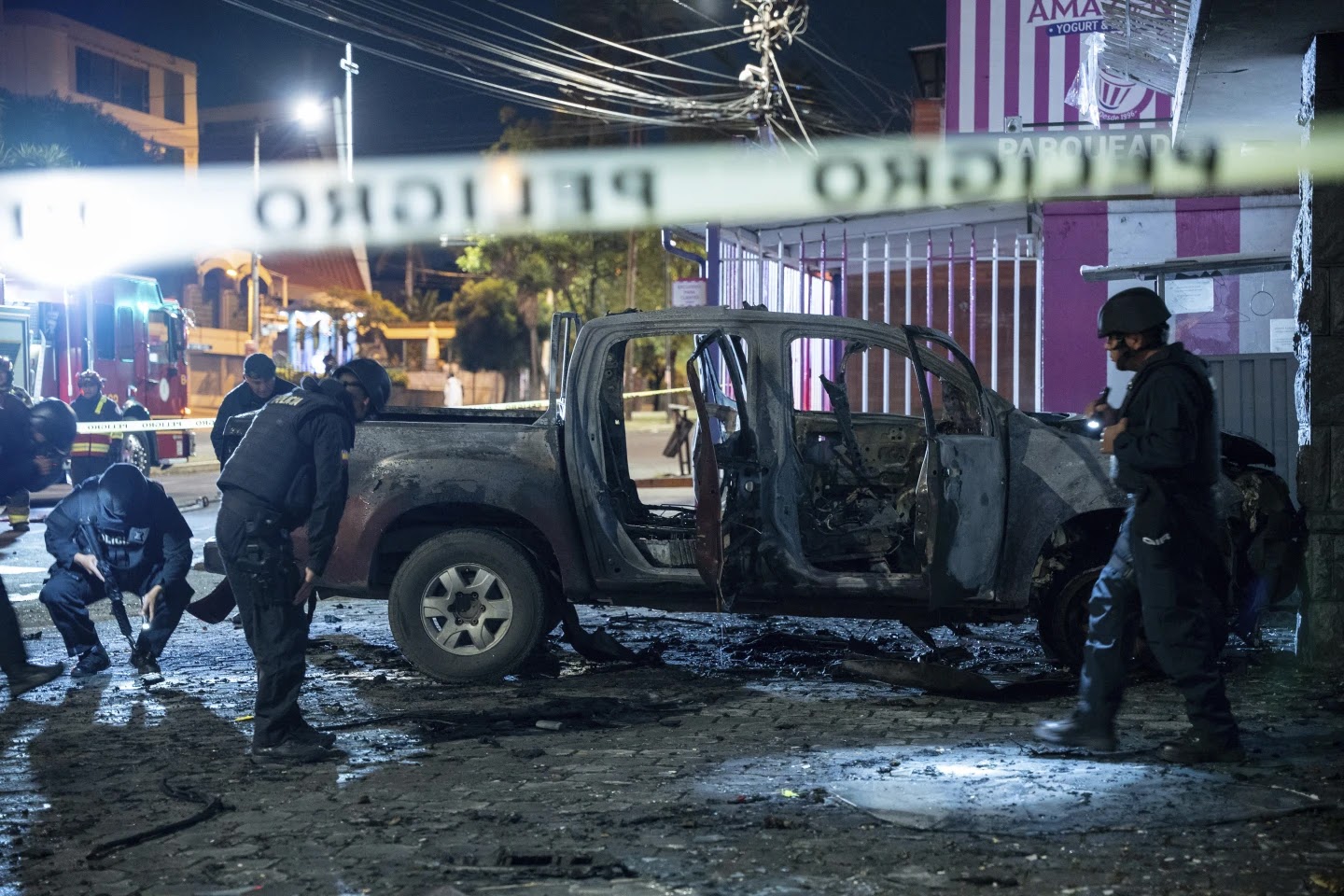 |
Ecuador saw 4,600 violent deaths in 2022, double the previous year, and the country is set to break the record again with 3,568 violent deaths in the first half of 2023. Of those, nearly half were in Guayas, the province that includes Guayaquil, where nearly 1,700 people have been murdered so far this year.
But the country’s armed forces and police appear to be losing the battle against the narcos who have turned the country into a cocaine superhighway as gangs, both inside and outside the weak and overcrowded prison system, vie for drug trafficking routes, with backing from powerful Mexican cartels.
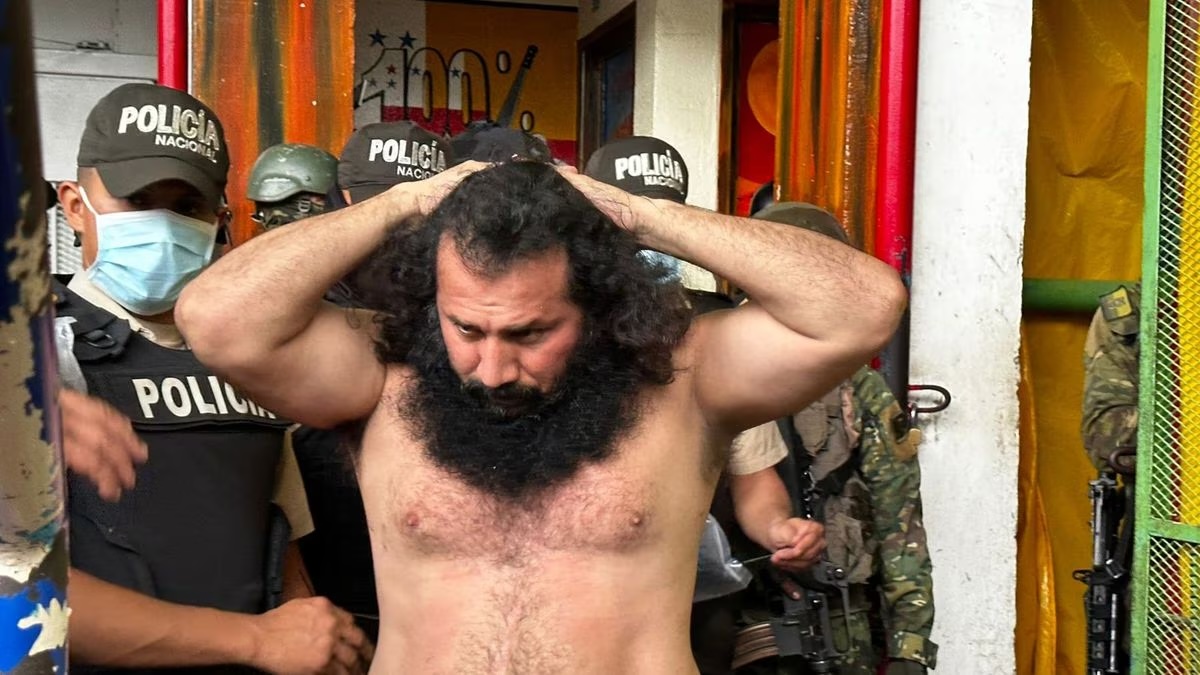 |
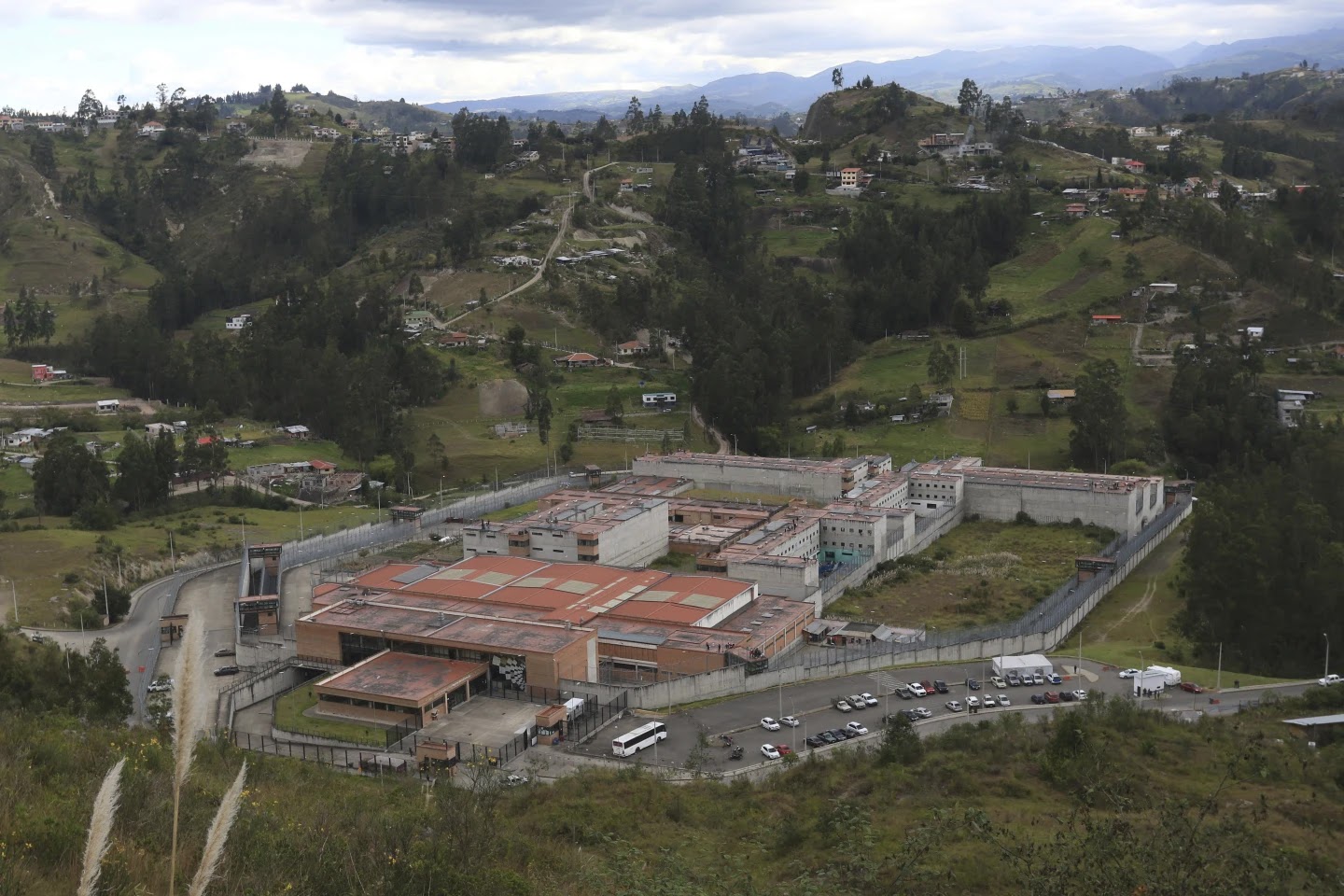
| Los Choneros leader “Fito” being transferred to a more controlled prison. |
Authorities say Ecuador also gained prominence in the global cocaine trade after political changes in Colombia over the last decade. Coca fields in Colombia have been moving closer to the border with Ecuador due to the break-up of criminal groups after the 2016 demobilization of the rebel group Revolutionary Armed Forces of Colombia, (FARC).
 |
Last week, the body of Los Choneros’ former leader “Junior” Roldan was taken from the vault in the cemetery where he was buried at in Medellin, Colombia following his shooting death in May 2023, across the border in Colombia. He had fled there following an attempt on his life by the rival Los Lobos gang.
 |
 |
[embedded content]
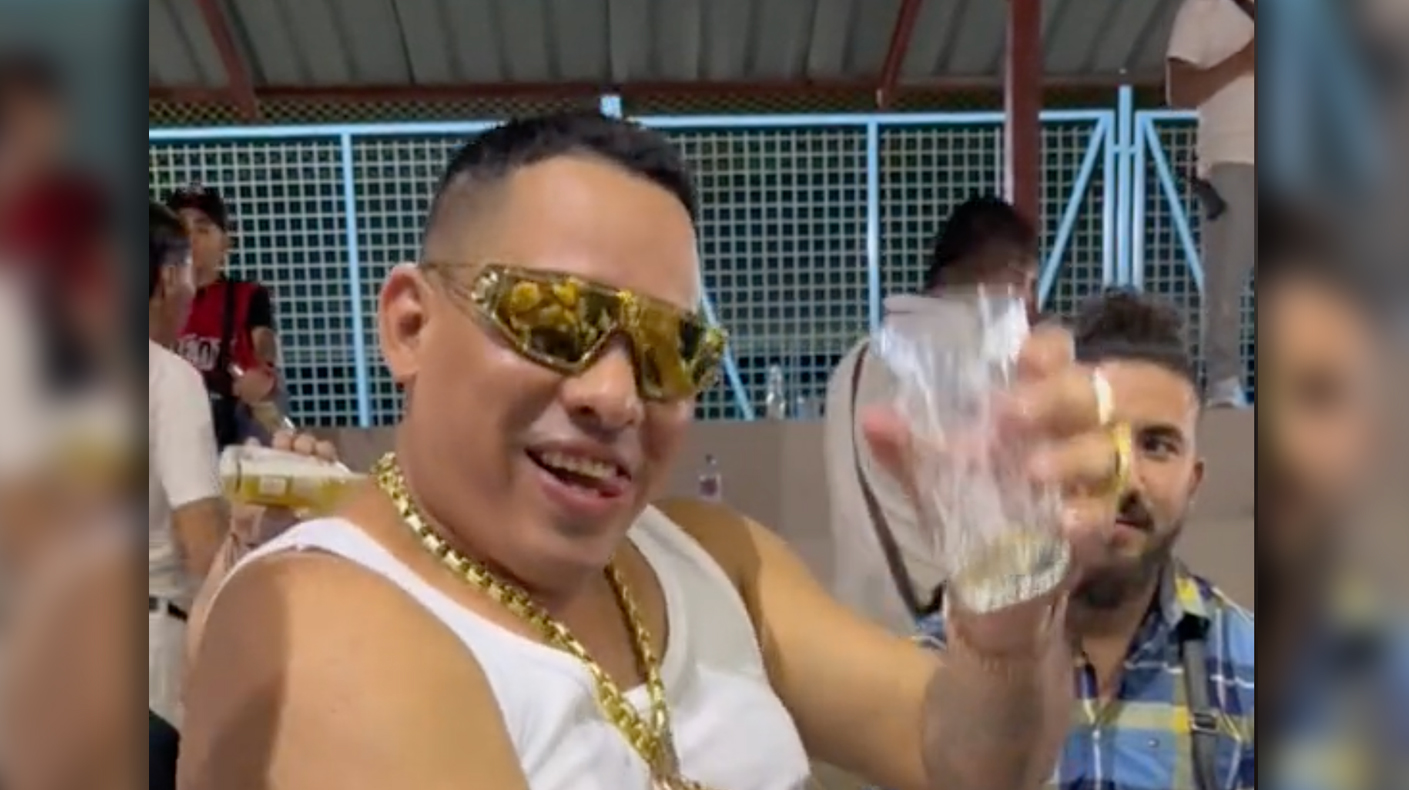
Even a narco-corrido was just released about the gang’s current leader “Fito” who was moved to a more controlled prison block.
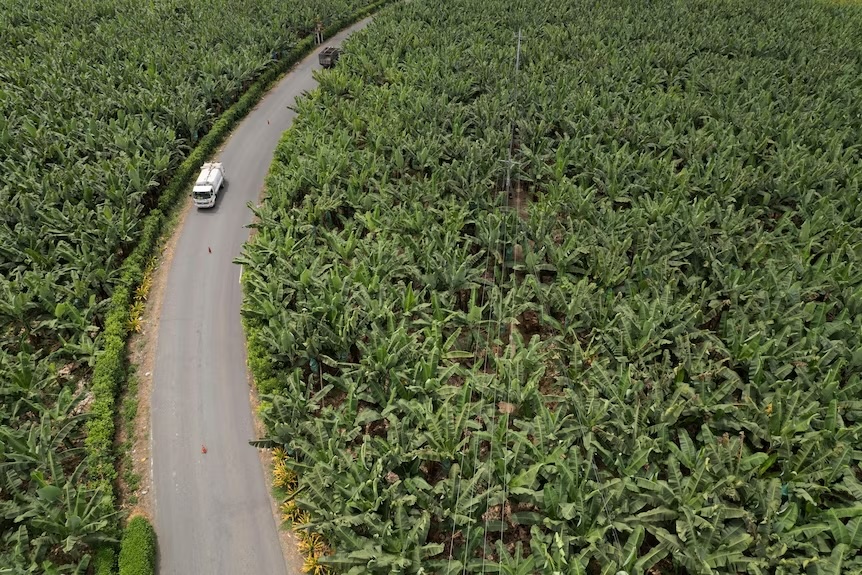
World’s Largest Banana Exporter
Large drug busts have become more frequent, and within the past month, European authorities have made record-setting busts after inspecting containers carrying bananas from Ecuador. More than 8,000 kilograms of cocaine was allegedly found hidden in a container of bananas intercepted by Dutch authorities.
From January to August 2023, Ecuador exported 247,000,000 boxes of bananas, 7.17% more than in the same period of 2022, according to data from the Banana Marketing and Export Association (Acorbanec). Exports to the European Union amounted to 24,796,000 million boxes and had increased by 22.41%.
 |
| Over 8 tons of cocaine, hidden in a large banana export shipment to the Netherlands was discovered. |
Record Seizures from Ecuador in 2023
Record Cocaine Seizure in Spain
Nearly 8 tons of cocaine in a container of Ecuadorian bananas in July
Authorities in Greece and Italy also announced seizures of cocaine hidden in Ecuadorian bananas this year. Ireland has reported its largest seizure of over 2.25 tons on a cargo ship from Venezuela however, in South America.
In 2021, cocaine production was at an all-time high, and nearly one-third of the cocaine seized by customs authorities in Western and Central Europe came from Ecuador.
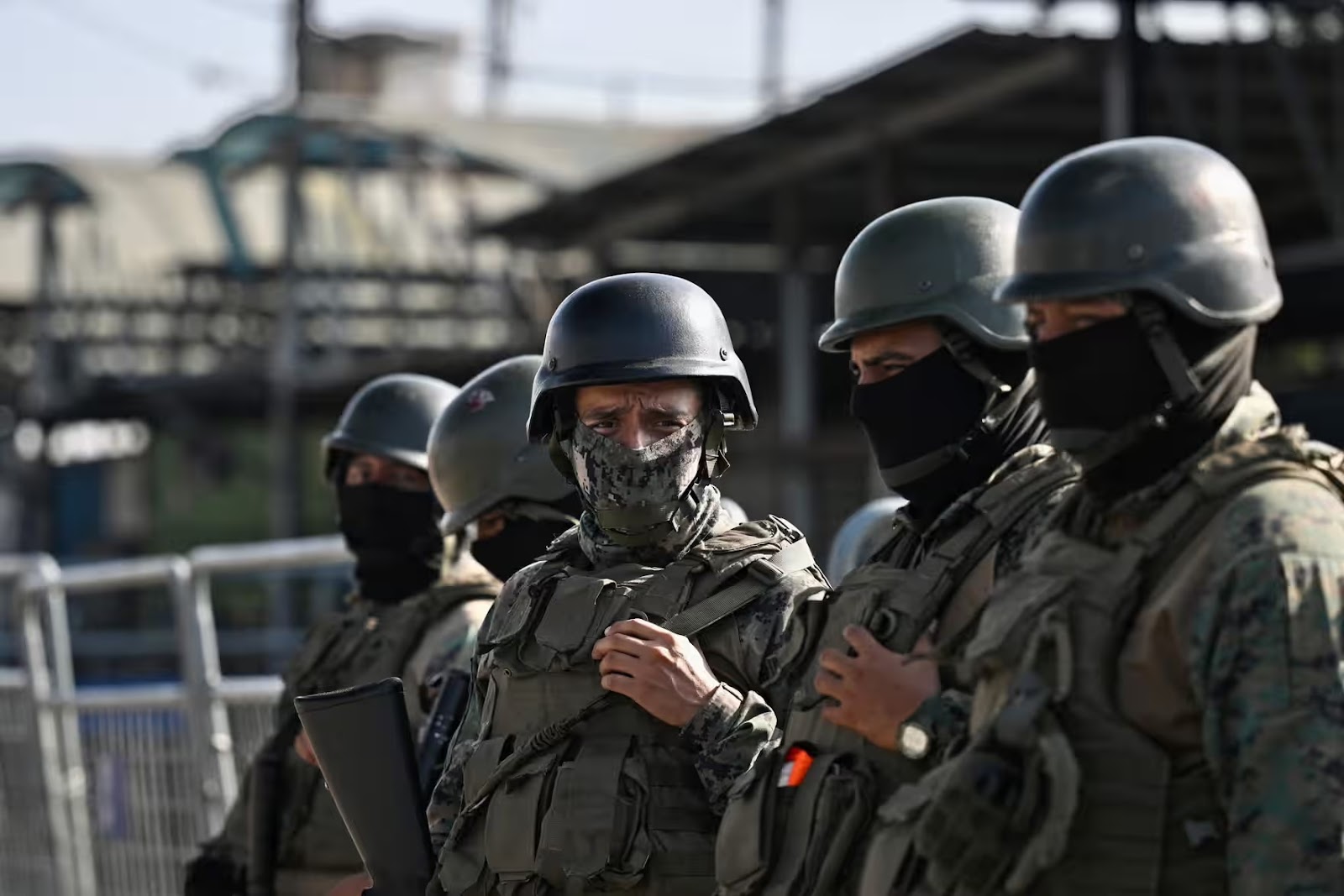 |
| Ecuadorian forces outside of prisons. |
US Military Forces in Mexico Hot Potato
Florida Gov. Ron DeSantis said Mexican drug cartels should be treated like “foreign terrorist organizations” and vowed, “I’m going to use the U.S. military to go after the Mexican drug cartels.” Not to be outdone, Nikki Haley said she would “send in our special operations and we will take out the cartels.”
Should the US military be used to fight Mexican cartels on their turf, it would likely result in the loss of cooperation from Mexico on stopping the flow of drugs or migrants and could potentially lead to fighting between US armed forces and Mexican military or police, corrupted or not and escalate tensions to extreme levels at the southern border with the United States’ second largest trading partner.
Previous Status of Force Agreements
The US signed agreements with Costa Rica in 1983, Nicaragua in 1998, El Salvador in 2007, Honduras and Guatemala in 2020 according to a Government Accountability Office analysis published in 2012 and the US State Department. These countries have all experienced violence and corruption related to drug trafficking as well as rebellions.
Sources Washington Examiner, The Guardian, ABC Au, Fresh Plaza, Rep Crenshaw, BBC, State Dept, State Dept, White House, Washington Post