


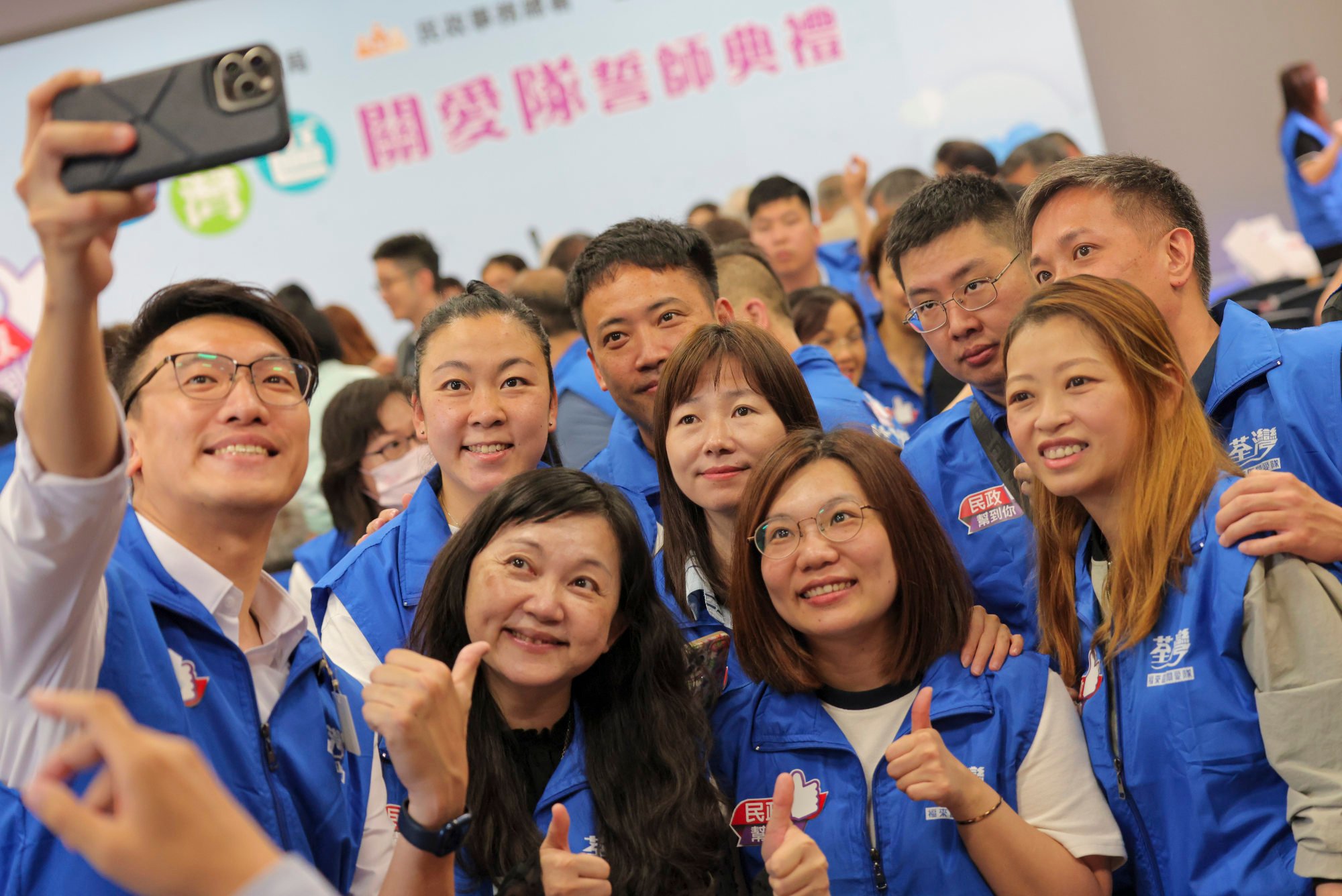
The agency was among 452 groups last year given government approval to run a community care team in the small Shui Wah subdistrict of Tin Shui Wai which covers parts of the Tin Wah and Tin Shui estates in the northwestern New Territories.
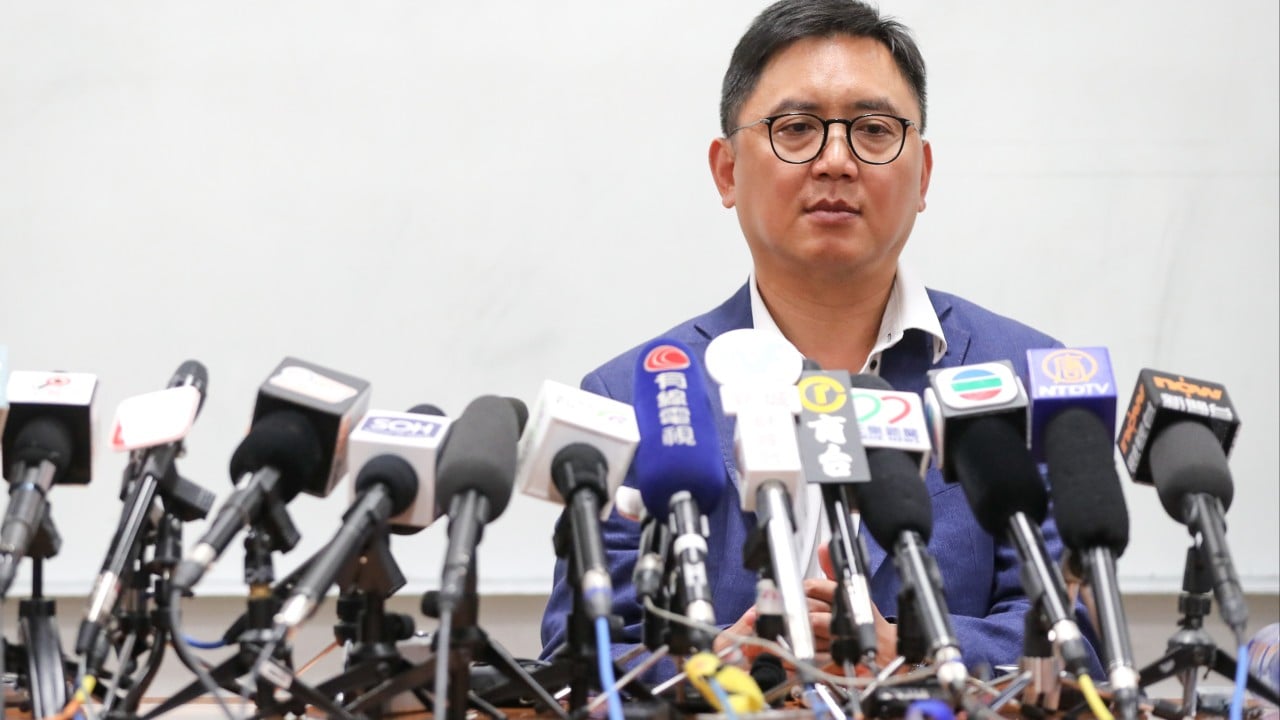
Chow said he had served Tin Shui Wai on Yuen Long District Council for about 30 years as a member between 1995 and 2019, when opposition candidates swept the board.
He added he did not expect that he would fail to get approval to run in last month’s election, the first district poll with a “patriots-only” slate of candidates.
But Chow, who at present has no political affiliation, said the city leader did not appoint him as a district councillor and he also failed to secure the required endorsements from three government-appointed committees to run for a directly elected seat in December’s poll.
“Everything was being controlled,” Chow said. “No matter how ambitious, capable, experienced, or academically qualified you are, you simply cannot enter the game. That’s it.”
Just 88 district council seats were elected by public vote under the new system.
The city leader appointed 179 councillors and 2,532 members of district committees decided another 176. Rural committee chairmen and women took 27 ex officio seats.
‘Hong Kong community care teams should aim to meet target for home visits’
‘Hong Kong community care teams should aim to meet target for home visits’
Chow said it was a pity that his decades of public service had not been recognised.
He added he thought his impressive record of community work would have meant he would not be excluded from the election or from appointment.
Chow said he had relied on personal money since he lost his council seat in 2019, and that he was unable to afford the basic running costs of his care team – more than HK$10,000 (US$1,281) a month.
Chow’s agency was given an initial HK$200,000 government grant last September for its proposed projects, which included providing support services such as home visits and household maintenance and cleaning for those in need in the Shui Wah area.
Government funding of about HK$1 million in total could have been allocated to support his team’s community care projects, but Chow was responsible for covering expenses such as for its office and a part-time paid staff member.
The care teams were announced in Lee’s 2022 policy address in a bid to foster a more compassionate and inclusive city.
Hong Kong watchdog decides against rules for care team members in district poll
Hong Kong watchdog decides against rules for care team members in district poll
The 18 Hong Kong districts were divided into subdistricts to allow local organisations and groups to collaborate and form care teams, as well as promote government initiatives.
Chow, who has returned the HK$200,000 funding to the government, said he planned to step away from politics, but would continue working on community events he had been involved in for years.
“It’s a mix of emotions,” he said. “It has almost been my lifelong career.
“I have dedicated myself to extensive study in the hope of becoming a competent politician.”
The Home Affairs Department said it was notified by the group at the end of last month that Chow had decided not to manage the Shui Wah care team.
But an official said the department would choose a new organisation to take over and, in the meantime, the nearby Shui Oi care team would take on the additional responsibilities.
Additional reporting by Emily Hung