


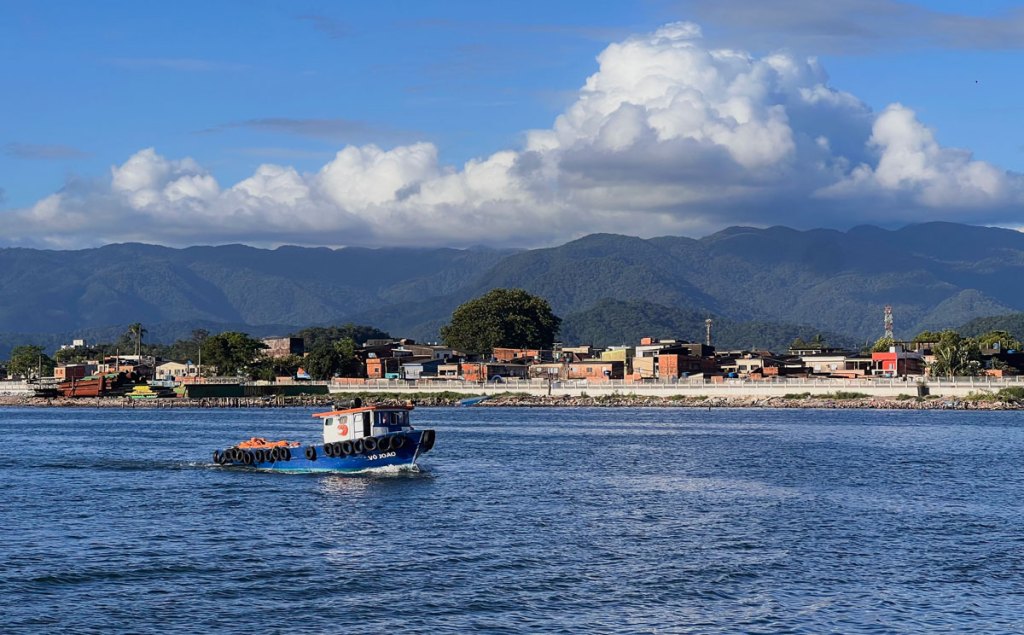
The police boat is dwarfed by the massive cargo ships it passes floating in the channel of Brazil’s Santos port. A dozen giant cranes play Tetris with containers overhead, stacking them high on each cargo carrier.
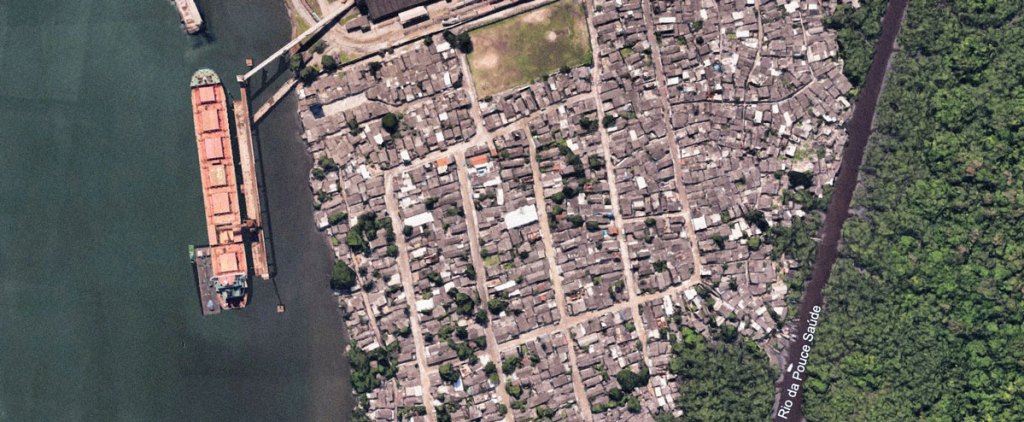
In the shadow of a towering hull, two fishermen in a tiny dinghy – the kind commonly used to sneak cocaine into container boats – cast their net. Beyond the channel, shacks packed with watchful eyes are stacked up the coast, a stone’s throw away from the private terminal.
Santos’ bustling international routes and crisscrossing waterways make it Latin America’s biggest port. It is also one of the world’s most important ports for international cocaine trafficking, with over 27 tons of cocaine seized there in 2019 alone.
But then something changed.
.título-del-gráfico{font-family: ‘Noto Sans’,sans-serif;color: #3B3B3B;font-weight: bold;margin-top: 0;padding-top: 0;font-size: 28px;}.subtítulo-del-gráfico{font-family: ‘Noto Sans’,sans-serif;color: #3B3B3B;font-style: normal;}.subtítulo-con-color{font-family: ‘Noto Sans’,sans-serif;color: unset !important;font-style: bold;}.fuente-del-gráfico{font-family: ‘Noto Sans’,sans-serif;color: #B3B3B3;margin-top: 0;padding-top: 0;}.annotation-group{font-family: ‘Noto Sans’,sans-serif;color: #3B3B3B;font-size: 12px;}.etiquetas{font-family: ‘Noto Sans’,sans-serif;text-shadow: -1px 0 #FAFAFA,0 1px #FAFAFA,1px 0 #FAFAFA,0 -1px #FAFAFA;color: #3B3B3B;font-size: 14px;font-weight: bold;}.eje-x path{stroke: #3B3B3B;stroke-width: 2;}.eje-x text{font-family: ‘Noto Sans’,sans-serif;font-size: 13px;}.eje-x-título{text-anchor: middle;font-family: ‘Noto Sans’,sans-serif;font-size: 15px;font-style: italic;fill: #B3B3B3;}.eje-y text{font-family: ‘Noto Sans’,sans-serif;font-size: 13px;fill: #B3B3B3;}.eje-y-título{font-family: ‘Noto Sans’,sans-serif;font-size: 15px;font-style: italic;fill: #B3B3B3;}.eje-y line{stroke: #b3b3b3;stroke-width: .03em;}.eje-y2 line{stroke: #B3B3B3;}.eje-y path{stroke: none;}.plot-subtitle{font-size: 17px;font-family: ‘Noto Sans’,sans-serif;fill: #3B3B3B;}.logo-ic{font-family: ‘Georgia’;font-size: 18px;font-style: italic;letter-spacing: 1px;fill: #A5A5A5;}.flex-container{display: flex;flex-wrap: wrap;justify-content: space-between;}.flex-item{flex-basis: 200px;flex-grow: 1;flex-shrink: 1;margin: 10px;margin-bottom: 0px;padding-bottom: 0px;}.chart-fullwidth{width: 100vw;position: relative;left: 50%;right: 50%;margin-left: -50vw;margin-right: -50vw;}.etiqueta-de-línea{font-family: ‘Noto Sans’,sans-serif;font-weight: bold;fill: #7D7D7D;}
Authorities started seizing less cocaine. By 2025, the total amount of the drug confiscated in Santos had dropped to 7.4 tons. As European ports continued to seize massive shipments of cocaine, they traced the contaminated containers to map out trafficking routes. Fewer and fewer drug shipments were leaving from Santos.
Cocaine seizures in Brazil’s largest port began to plummet after 2019
Tons of cocaine seized in Santos per year
The port embraces 16 kilometers of channels that dissect a region of São Paulo known as Baixada Santista, where Brazil’s largest criminal organization, the First Capital Command (Primeiro Commando da Capital – PCC), has a stronghold. The gang has infiltrated the marginalized neighborhoods that teeter on the edges of the loading docks, and uses them as a cloak for the tons of cocaine it surreptitiously loads into these cargo giants. The gang’s international partners – the ‘Ndranghetta and Balkan mafias, for example – lie in wait in Europe to receive and divvy up the drugs to sell them across their areas of control. Cocaine’s high prices and growing popularity there have made the PCC a fortune.
SEE ALSO: As Brazil’s PCC Gentrifies, Favela Residents Must Fend for Themselves
It might be international in nature, but the cocaine business is causing local problems in Brazil, particularly in neighborhoods where the PCC hides.
“We’ve been shot at when passing by those communities,” said Marcia Meng, a commissioner in Brazil’s Federal Revenue Service (Receita Federal do Brasil – RFB), which analyzes intelligence about international drug trafficking. “There are many good people there, but there’s always an infiltrator.”
So What Changed?
Authorities teamed up and cracked down, joining forces to increase surveillance and ramp up the scanning of containers. They also started to analyze new intelligence and data to figure out how traffickers were sliding by undetected and to catch them in the act.
The complexity of the interweaving channels and docks at Santos means that coordination between different security branches is essential to making law enforcement there effective. While the Federal Police (Polícia Federal – PF) is in charge of arrests and seizures, the Federal Revenue Service deals with intelligence and prevention, and the Port Authority focuses on monitoring.
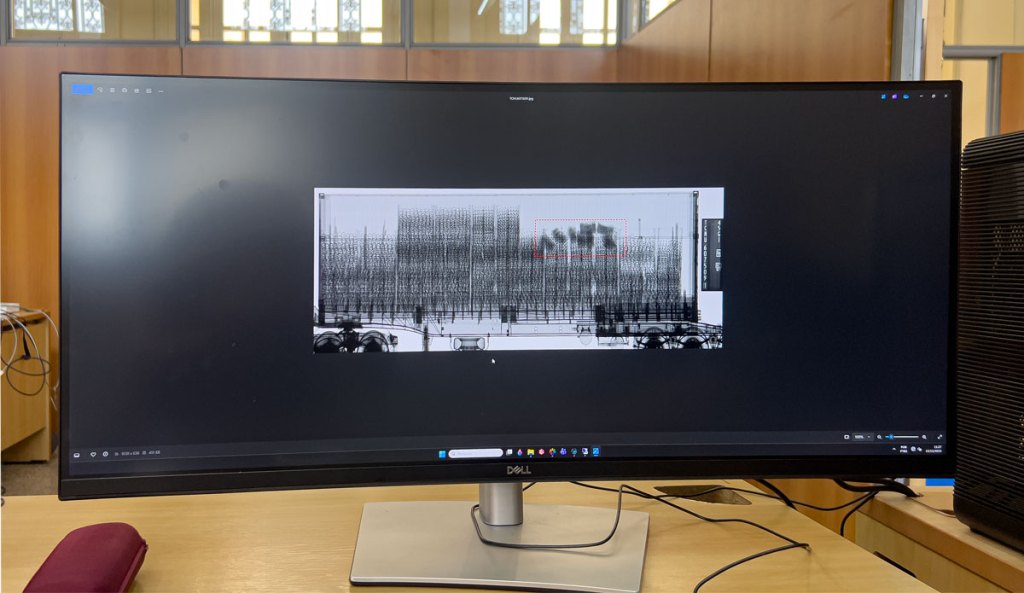
The private companies that use Santos have to get on board as well, and share information. For access to the vast international network of terminals in Santos, a private company must be certified by the Brazilian government. There’s no access to restricted parts of the terminal without badges, with these areas fenced off with 24-hour video surveillance. Every container heading to Europe or Africa has to be scanned.
Information shared between the public and private sectors plays a key role in the Federal Revenue Service’s intelligence gathering, combining images from CCTV monitoring and scanners with other resources to detect shipments and uncover the criminal networks behind international cocaine trafficking. The private companies get training from Brazilian authorities, and have their access revoked if they let a container through unscanned or do not put up cameras in blind spots.
With most of the cocaine headed to Europe, authorities put their initial focus on containers destined for there. But organized crime found alternative routes to throw them off their trail.
“Traffickers started using Africa, the neighboring continent [to Europe], because there was an open window there – wide open. So they used Africa as a destination, but the drugs, at least the vast majority of them, did not remain in Africa. They were put back into containers, ships, etc. And they went on to Europe,” said Edson Patrício, the Federal Police’s head of security in Santos, during a visit to the port by InSight Crime.
So they began scanning containers headed to Africa as well.
But this renewed security required a delicate balance. A slowdown in port traffic caused by more surveillance is a blow to Brazil’s economy and could prompt businesses to look elsewhere for their operations.
“About one-third of the national economy circulates through here, and we have to be careful to protect the flow of cargo and ensure that Brazilian international trade continues without or with minimal intervention from criminal organizations,” said Patrício.
Technology, as well as sniffer dogs, has helped authorities achieve this fragile balance.
“There are some cases in which the x-ray is inconclusive, and the dogs frequently can find exactly where [the drugs are],” explained Alan Towerley, an auditor with the Federal Revenue Service. He spoke over the popcorn sound of muted gunfire from the firing range next door, where agents were preparing for a mission.
Brazilian authorities have also ramped up intelligence gathering away from the coast, intercepting shipments before they reach the port. With a vast coast extending for nearly 7,500 kilometers and land borders sprawling for more than 16,800 kilometers, Brazil’s frontiers are impossible to monitor. But with drugs heading to only a handful of hotspots, either for the local market or international ports, authorities have identified the most relevant choke points to watch over.
“When we want to obstruct a new operation, we do it on the highway. It is a lot easier to monitor one of these two or three routes that they can’t escape than to monitor the whole world,” Towerley told InSight Crime.
Authorities are increasingly seizing cocaine before it gets to Brazil’s ports
Tons of Cocaine Seized in Brazil (2015-2025)
A Cocaine Hydra
Taking down a billion-dollar international criminal industry is not as simple as just cracking down on a major port. As authorities increasingly seized tons of cocaine moving through Santos, drug flows through Brazil did not stop. They pivoted.
The PCC is still one of the biggest players in Latin America’s cocaine trade to Europe, and has been carving out new routes around the crackdown in Santos. Brazil borders the three main cocaine-producing countries in the world in Colombia, Peru, and Bolivia, and the scores of ports linked to international consumer markets along its coast mean Brazil continues to be a crucial transit country. As seizures became smaller in Santos, large shipments of cocaine popped up in other parts of Brazil. In Salvador, in the northeastern state of Bahia, Paranaguá, in the southern state of Paraná, and along the border in the northern state of Roraima, authorities started confiscating ever larger shipments of cocaine.
SEE ALSO: How Brazil’s Port of Santos Became Cocaine’s World Trade Center
The shift has led to criminal expansion and violence. In Bahia, the PCC forged alliances with gangs such as the Bonde do Maluco (BDM) to increase their capacity to ship cocaine through the Port of Salvador, regarded as a substitute for the Port of Santos. And as BDM and rivals fight for control over the cocaine business, Bahia has become one of the most violent places in Brazil. The PCC is believed to already control one port terminal in Paranaguá and is allegedly attempting to establish operations in Maceió, the capital of the northeastern state of Alagoas.
Now authorities are trying to strike back with similar crackdowns in Brazil’s other ports. But as it tightens security, its neighbors may increasingly be brought into drug trafficking routes.
In 2024, the world’s biggest cocaine seizure was made in Ecuador, with 22 tons headed to Europe and the United States. Moreover, the Port of Guayaquil, in Ecuador’s biggest city, has become one of the region’s main cocaine exit points, bringing violence along the way. Massacres have become frequent in the city, and Durán, the port’s gateway and one of the country’s most violent cities, set a new homicide record in 2025. In Uruguay, the Port of Montevideo became an increasingly important route for cocaine to Europe. Criminal groups have begun using the country to store massive loads of cocaine – and threaten the authorities seizing the drugs. And the PCC may now be active in Montevideo.
Cocaine seizures in Ecuador now outpace those in Brazil
Tons of Cocaine Seized in Brazil and Ecuador (2015-2025)
With record-breaking amounts of cocaine being produced by its neighbors and a large domestic consumption market, Brazil will never completely erase the infiltration of organized crime moving drugs through its infrastructure. Santos remains the biggest port in Latin America and will likely always play a key role in the PCC’s criminal empire, despite the recent security gains there.
Authorities acknowledge that stopping the cocaine trade is a Sisyphean battle.
“[Security policies] might not solve the problem,” said Towerley. “But at least we bother them.”