


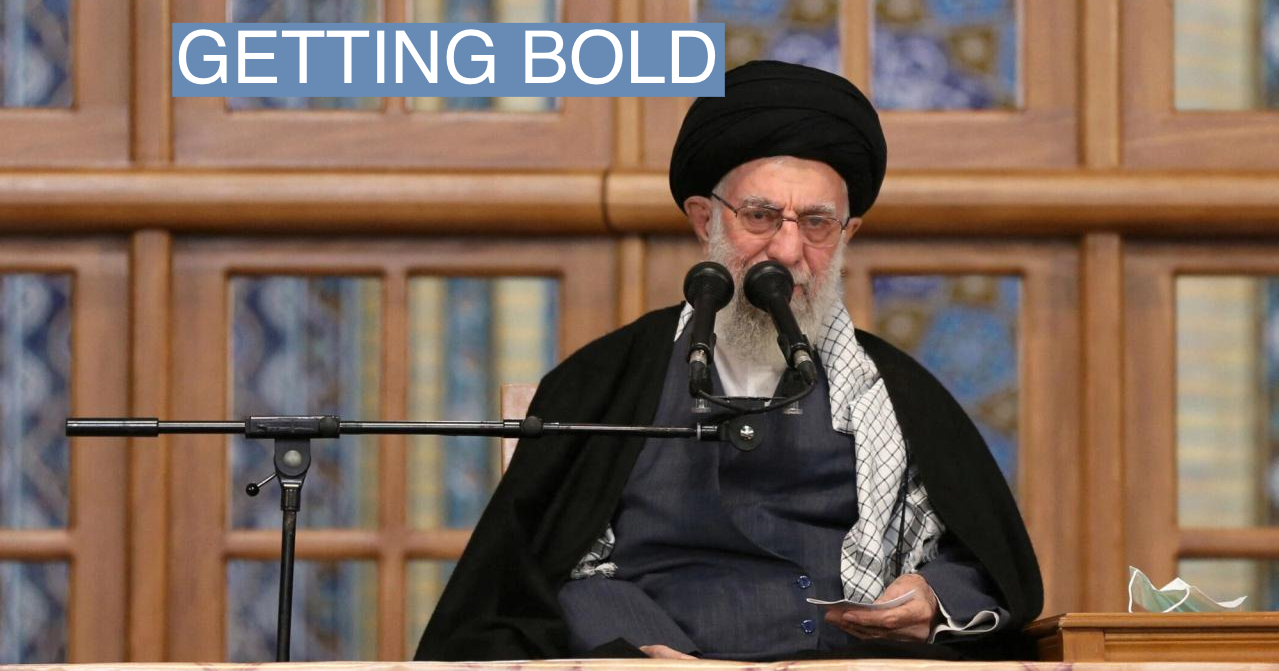
Iran’s long-simmering proxy war with the U.S. and Israel is quickly heating up, and it’s forcing the Pentagon to shift more naval and air assets to the Middle East as a deterrent.
Tehran-backed militias have launched a string of attacks on American bases in northern Syria since late March, killing one U.S. contractor and leaving at least six others with traumatic brain injuries. The Palestinian militant group Hamas and other Iranian proxies fired missiles into Israel this month in a coordinated strike from three separate borders — Lebanon, Syria, and the Gaza Strip.
U.S. and Middle Eastern officials who spoke with Semafor, as well as outside analysts, said they believed the stepped-up assaults were part of a new effort to test the willingness of American and Israeli forces to respond to acts of aggression.
Tehran’s growing military assertiveness, they said, was likely connected to its recent deal to normalize relations with Saudi Arabia and other Arab states, which has given it more room to focus on American and Israeli targets away from the Persian Gulf. Fighting between Iranian-backed Houthi rebels and Saudi forces in Yemen, for instance, has largely come to an end, and the two sides are close to signing a formal peace agreement soon.
“The Iranians calculate the advantage is theirs on regional issues,” said Emile Hokayem of the International Institute for Strategic Studies in London. “They think they have split the Saudis and Emiratis from the U.S. and Israel. Iran can now work to widen that gap.”