


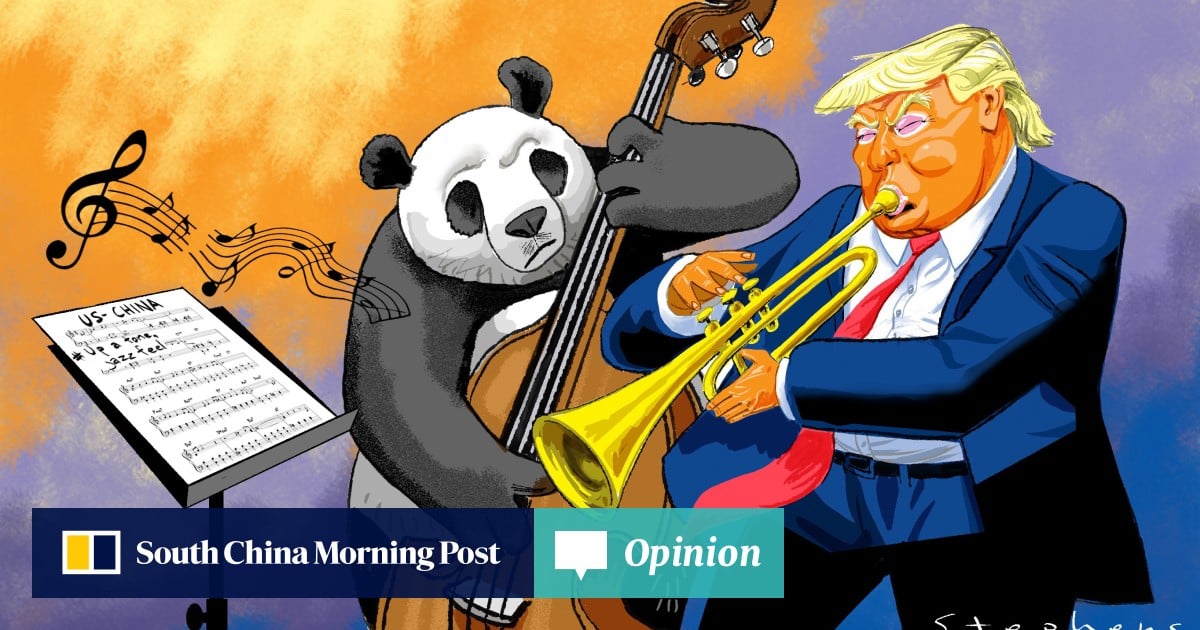
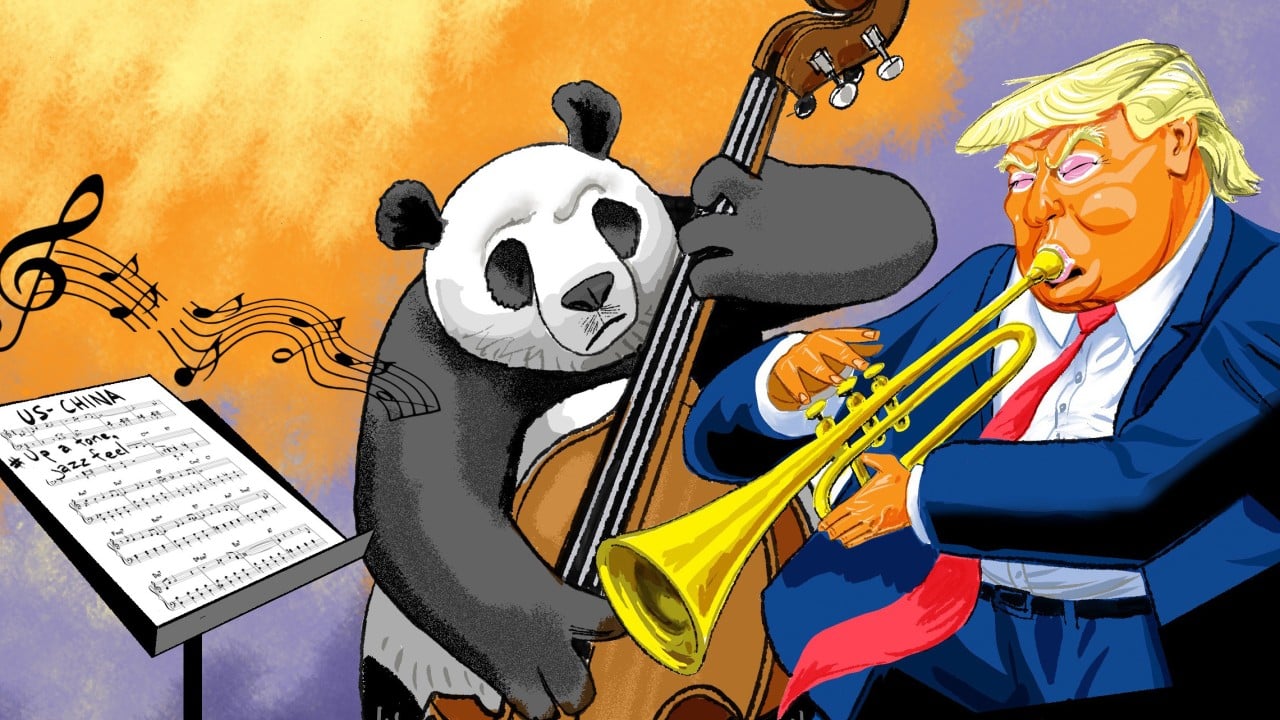
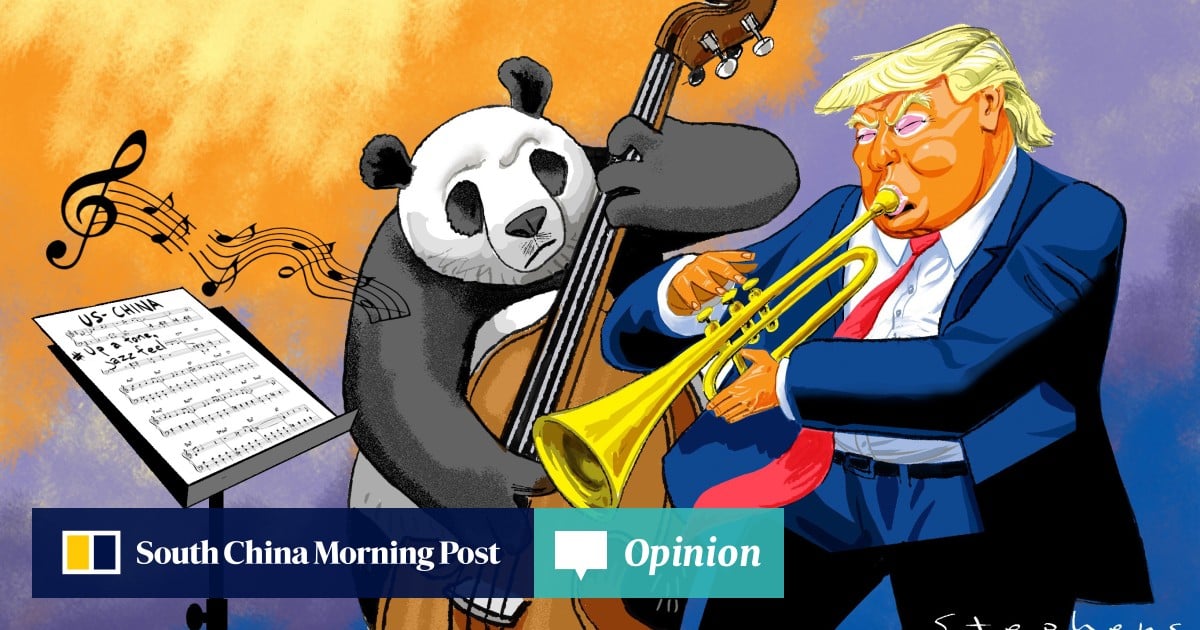
On the face of it, US President Donald Trump’s China visit can be characterised by five Bs: beef, beans, Boeings, a board of investment and a board of trade. No wonder Trump rated his visit a “12 on a scale of one to 10”. Just the 200 Boeing aircraft China has agreed to buy is worth the presidential visit.
China has achieved no less. Compared with beef, beans and Boeings, the boards of investment and trade that both sides agreed to set up are perhaps more significant. With this institutional framework in place, bilateral economic and trade disputes can be brought under regular supervision and coordination. Reckless moves such as the United States arbitrarily imposing a 145 per cent tariff on Chinese goods should become far less likely.
China has acted as an impeccable host. President Xi Jinping taking Trump on a private tour of the gardens of Zhongnanhai – which serves as Xi’s official residence and the headquarters of China’s top leadership – is special treatment. Trump’s warm remarks about Xi and the Chinese people look to be more than a polite gesture.
Advertisement
Yet the real triumph for China is the visit itself – the first by a US president in nine years; Trump’s predecessor Joe Biden did not visit China at all during his term. For comparison, during the Cold War, after Nikita Khrushchev became the first Soviet leader to visit the US in 1959, it was eight years before a second Soviet leader, Alexei Kosygin, was invited to visit in 1967. No US president visited the Soviet Union in that time.
The best outcome from the Xi-Trump summit is their consensus to build “a constructive China-US relationship of strategic stability”. Evidently, stability can only be established between two parties of equal strength – for the first time, the US officially recognises China as a peer power.
Advertisement
Such recognition has not come easily. Since Trump first became president, relations have declined significantly, yet China has emerged much stronger. From 2017 to 2025, China’s export dependence on the US has dropped by 5.5 percentage points. In the tariff war launched by Washington, Beijing has wielded several lethal weapons including key industrial raw materials such as rare earths. The world saw that China was not the first to blink.
‘A milestone visit’: Xi and Trump set sights on stability for China-US relations