


About 20 armed members of the Tiguerones criminal group lurked in the hills on the outskirts of Guayaquil, Ecuador’s port hub and largest city, on a day in March. They had a clear goal: to take out their enemies, who were also, technically, Tiguerones.
In the early afternoon of March 6, the assassins broke into local homes, shooting dead their targets at close range. They chased others through the streets, wreaking havoc on the sector as residents ran for cover.
“We had just entered [our house] and [we heard] boom boom boom,” one resident, who spoke on condition of anonymity for security reasons, told InSight Crime. “We started to cry … it was terrifying.”
The attack was targeted at gang members, and lasted no more than a few minutes, said Lieutenant Colonel Herbie Guamaní. At the time of the massacre, Guamaní was police chief of Guayaquil’s vast northwestern district, which includes Socio Vivienda, the neighborhood where it happened.
“They entered specific houses,” he told InSight Crime. “They knew that so-and-so lived here, and they went straight there.”
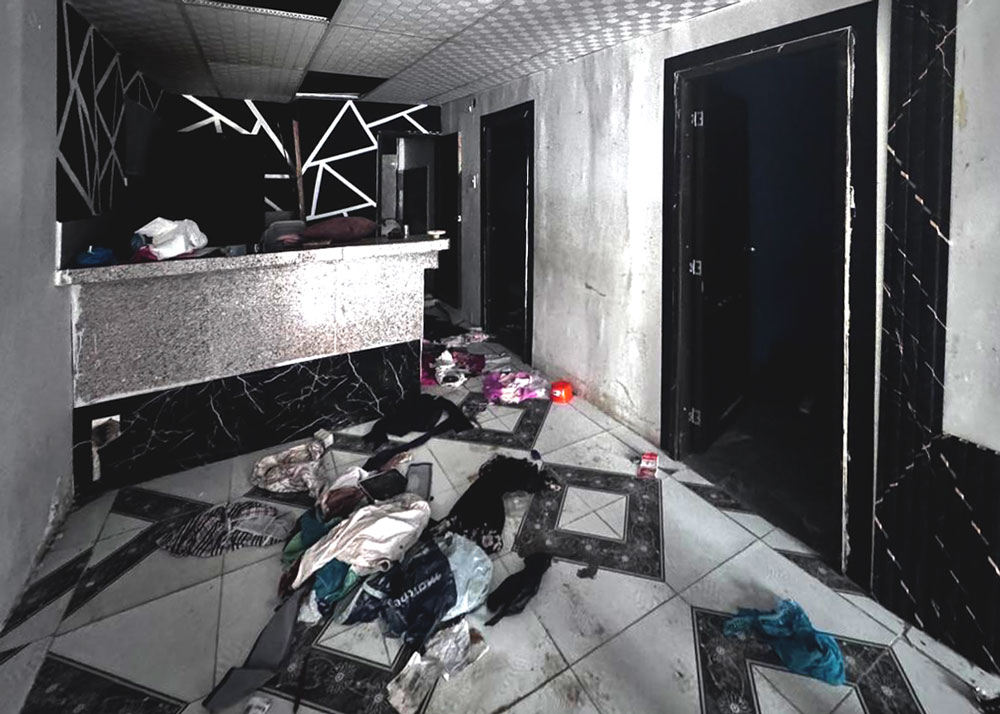
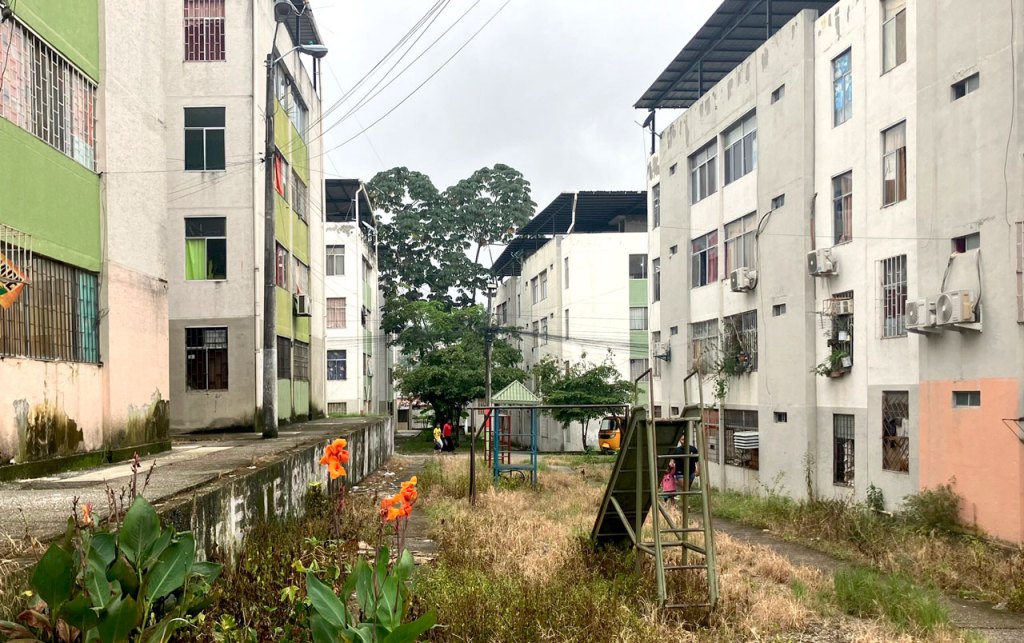
But scores were left dead in the attackers’ wake, making the massacre one of the deadliest acts of violence in Ecuador’s history. Official figures registered 22 deaths, with dozens more injured. The real death toll was closer to 40, one Guayaquil community leader, who chose to remain anonymous for fear of reprisals, told InSight Crime.
The attack was part of an alarming uptick in murders this year in Ecuador. Homicides in the first three months of 2025 climbed to 2,361, breaking previous records for the same period last year by nearly 40%, according to figures from the Ministry of the Interior.
The massacre also provides a window into the tectonic shifts taking place in Ecuador’s underworld, as well as how the government’s strategy of breaking up the country’s largest criminal groups may only lead to more violence.
Tiger vs. Tiger
A series of betrayals, alliances, and leadership changes eventually culminated in all-out war within the Tiguerones, one of Ecuador’s most powerful criminal groups.
The Tiguerones emerged through the criminal connections of its founder, Socio Vivienda resident William Joffre Alcívar Bautista, alias “Willy.” In the 2010s, Willy worked as a guard in Guayaquil’s prison complex, forging alliances with some of Ecuador’s top gangsters.
Socio Vivienda and its strategic location on the edge of Guayaquil was a perfect base of operations for Willy. Although opened in the early 2010s as a glistening government housing project catering to Guayaquil’s most vulnerable residents, the project was poorly executed and financed. Poor living conditions and limited job opportunities led to poverty, underemployment, and poor social, education, and health services, which helped gang recruitment.
SEE ALSO: The Rise and Fall of El Negro Willy, Ecuador’s Prison-Guard Mafia Boss
Limited state presence meant the Tiguerones could also use the area to stockpile weapons and store cocaine shipments, which they then routed to Guayaquil’s ports with little interference. They also began peddling drugs, extorting, and kidnapping.
Leveraging their headquarters in Socio Vivienda, the Tiguerones rapidly expanded in northwest Guayaquil. By 2024, they controlled some 70% of the district, Guamaní told InSight Crime. The Tiguerones relied on a combination of force and opportunistic alliances with neighborhood-level bosses of local gangs for their expansion. These leaders pledged their allegiance to Willy while maintaining some autonomy.

This growth model — largely reliant on the loyalty of local franchises — matches the strategies used by other criminal groups like the Choneros and the Lobos to project their power on Ecuador’s streets.
But these relationships would prove fragile. As Willy’s alliance continued to expand, cracks began to appear as local enmity superseded factions’ shared Tiguerones identity.
In 2023, two local Tiguerones cells — the Igualitos and the Fénix — began fighting after a member of one group robbed a motorcycle from the other, according to Guamaní. After refusing to return the stolen vehicle, a series of tit-for-tat killings between the groups took place, the police chief added.
“They hated each other’s guts. They drew the line between each other,” Guamaní said. “If anyone crossed it, they killed them.”
Replacing Willy
Despite isolated local tensions, rifts in the Tiguerones didn’t come to a head until October 2024 when authorities captured Willy in Spain. Communication with the founder and spiritual leader of the Tiguerones was cut off, setting the scene for the power struggle to follow.
One of Willy’s lieutenants, Galo Xavier Suárez Román, alias “Wichi,” rose to fill the gap. By December 2024, Wichi assumed command of the Tiguerones faction based in the group’s Socio Vivienda stronghold, according to Guamaní.

The Fénix, however, dissented, citing their continuing loyalty to Willy. This was evident in the police’s monitoring of the group’s social media posts, the police chief said, which included a statement allegedly released by Fénix leaders.
“Here the real leader is EMPEROR THE DOUBLE W. He is deprived of his freedom but not dead!!” the statement reads, while accusing Wichi of sowing division.
In response, Wichi’s faction joined the Igualitos to hunt down the Fénix rebels, sending them on the run and leaving dozens dead in Fénix strongholds.
With their backs against the wall, the Fénix sought a series of opportunistic alliances with other wayward Tiguerones factions, and even a local Choneros cell, Guamaní added. Revitalized by the new alliances, the Fénix hit back, culminating in the March 6 massacre in Socio Vivienda.
Hundreds, potentially thousands, of people have left Socio Vivienda in the wake of the attack, community organizations and rights groups say.
“We have designated it the first massive forced displacement as a result of violence in [the history of] Guayaquil,” said Billy Navarrete, executive director of Ecuador’s Permanent Committee for the Defense of Human Rights (Comité Permanente por la Defensa de los Derechos Humanos – CDH).
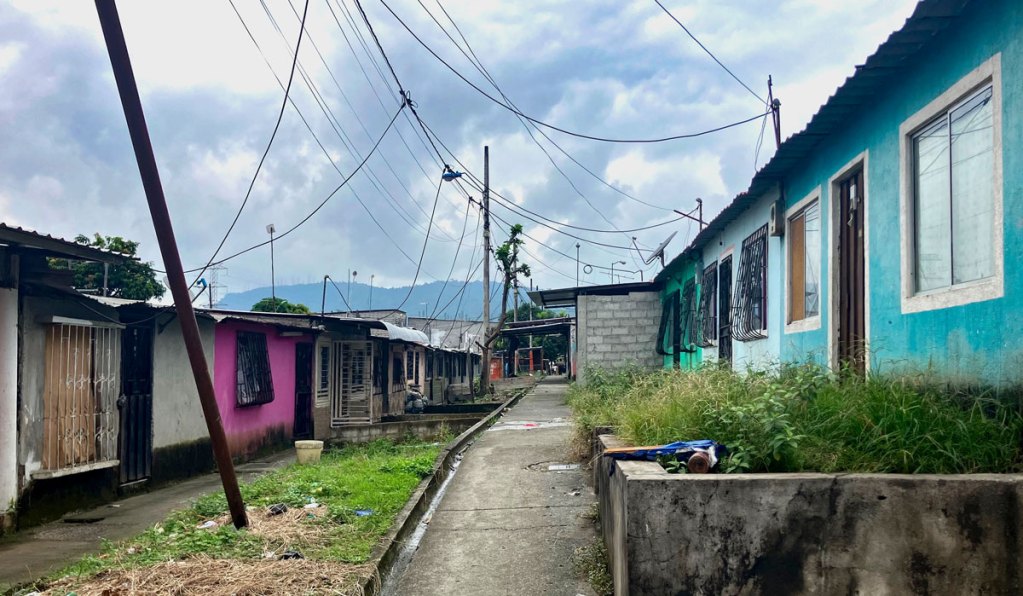
The close relationship between the Tiguerones and Socio Vivienda residents has exacerbated the crisis because many residents have friends or family members who are gang members.
“It is inevitable that a person living in Socio Vivienda has a relative or friend linked to the gang,” Navarrete told InSight Crime. Loose connections such as these make many residents vulnerable to reprisals in the wake of the massacre, as factions of the group seek retribution in the spiraling conflict.
And even upon leaving Socio Vivienda, the displaced often face threats and violence from gangs around Guayaquil for simply being from the neighborhood, complicating community organizations’ efforts to relocate those in danger.
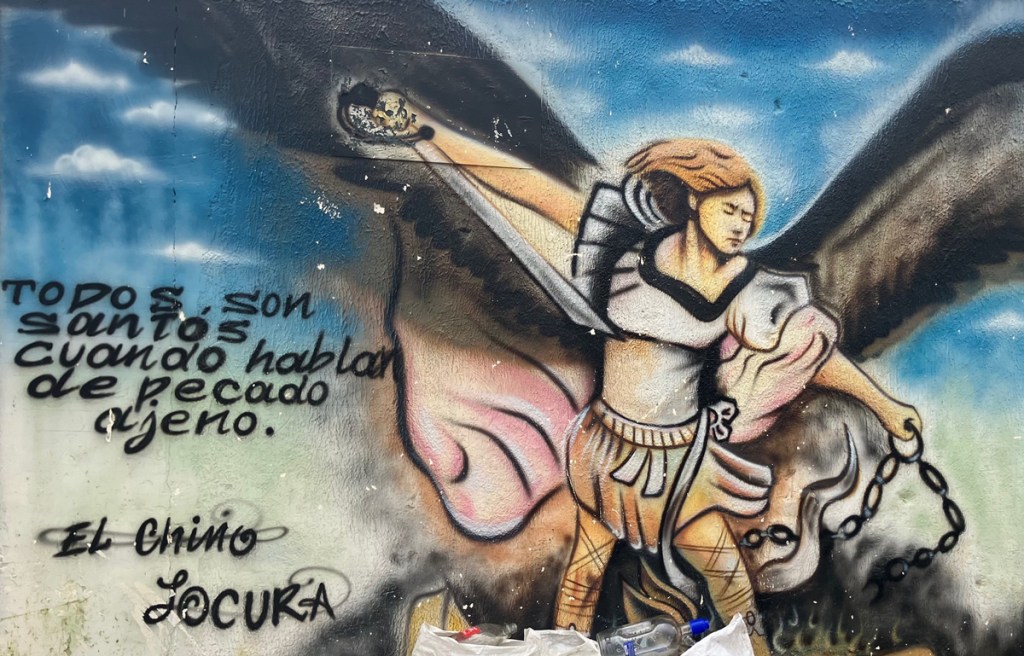
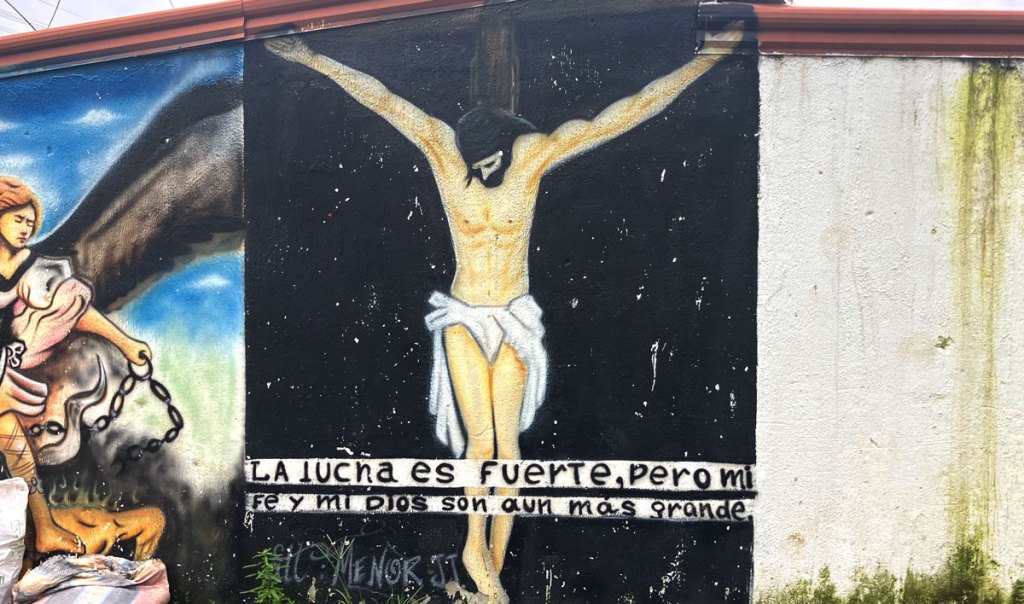
“Even if you are not Tiguerón, if you live in a Tiguerón sector and you are Afro, you can’t go to an Águilas [a Choneros faction] sector. They will kill you,” said the Guayaquil community leader, who works closely with those displaced from Socio Vivienda.
Spiraling Out of Control
Gang splits such as those seen within the Tiguerones in Guayaquil are becoming a defining feature of Ecuador’s criminal groups. Held together by opportunism first, local groups have little incentive to commit to one allegiance, frequently changing identities in response to power shifts and leadership changes above them.
“New gangs always arrive. They change names. There are more factions, each one worse than before,” the Guayaquil community leader told InSight Crime.
Other areas are going through similar tumult. In Durán, a municipality adjacent to Guayaquil, for example, homicides spiked after the death and capture of two top leaders in 2024 detonated a brutal internal war within the Chone Killers gang. In El Oro, a province on Ecuador’s southern border with Peru, a local renegade Lobos cell gained strength in 2024, leading to bombings and massacres as multiple factions of the group clashed.
For the community leader, a massacre similar to the one in Socio Vivienda could happen at any moment in Guayaquil’s other neighborhoods as underworld alliances continue to shift.
“This is going to escalate,” they said.
The premonition may come true. President Daniel Noboa, who was re-elected to his first full term in April, has remained committed to a militarized approach to Ecuador’s security crisis, underscoring the arrests of high-level criminal leaders and record drug seizures as evidence of its effectiveness.
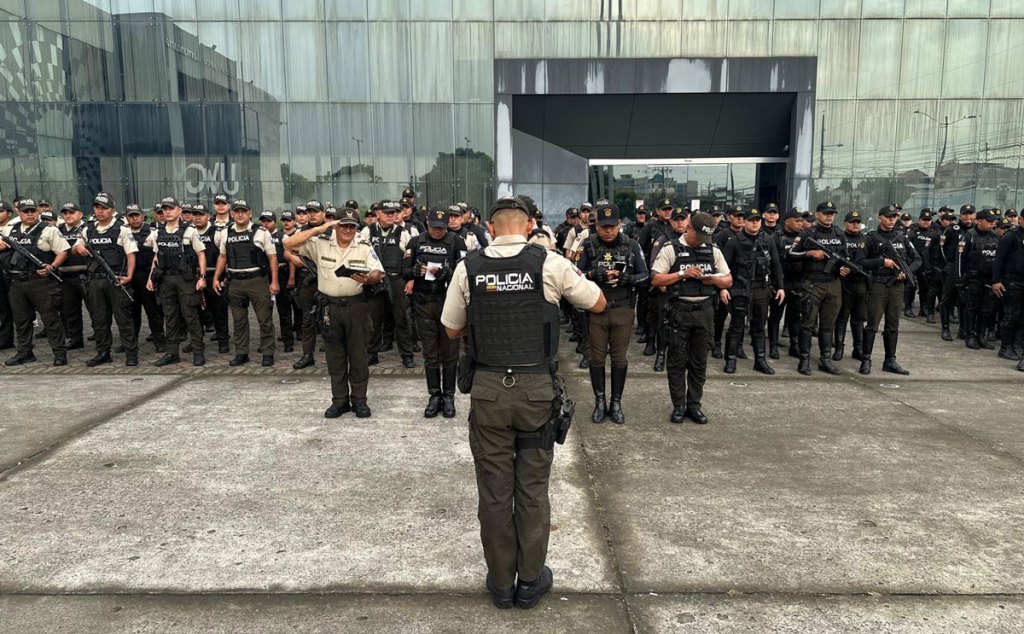
But, amid skyrocketing homicide, extortion, and kidnapping figures, Noboa has yet to present a cohesive security plan. This is especially apparent in Socio Vivienda.
“There is not even a massive interest in creating at least a pilot plan in Socio Vivienda,” the Guayaquil community leader said. “If the state does not demonstrate that it is robust, that services can reach the community … violence will increase.”
SEE ALSO: GameChangers 2024: Ecuador Finds Victory Elusive in ‘War on Gangs’
The government has also been unable to stop the power struggles unfolding following the arrests of criminal leaders. Meanwhile, the humanitarian costs of militarization — forced disappearances, extrajudicial killings, torture, and other crimes — are rising.
This was on full display after the massacre in Socio Vivienda. Noboa promised a preemptive presidential pardon to security forces deployed to northwest Guayaquil in the wake of the event, while police rounded up dozens of suspected gang members thought to be involved in the attack.
But these measures have yet to produce lasting peace in the neighborhood or beyond. Many leaders of the Tiguerones factions are still at large, according to Guamaní, and the pending extradition of Willy from Spain to Ecuador could further inflame the situation.
“How did they cause such a massacre, and they didn’t respond? They have supposedly signed a peace agreement, but I don’t believe it,” the police chief told InSight Crime.
Meanwhile, on Socio Vivienda’s quiet streets, a tense calm is superseded by fears of more violence.
“The children don’t want to go to school. They are scared,” the resident told InSight Crime. “Any noise — we lock the doors and hide.”
*Additional reporting by Steven Dudley and Alina Manrique